Collection
Fostering Student Engagement in the Age of Digital Distraction

Visual Generation / Shutterstock
Amidst the clicks, beeps and dings of our digital present, attention is at an all-time premium. And with fingertip access to streaming video, social media and endlessly-looping GIFs, it’s no wonder that technology is often blamed for students’ lack of focus.
Like it or not, the screens are here to stay. So, we must work with technology, not against it.
For this guide, we wanted to learn how educators keep students engaged in a world of constant distraction. We discovered several factors—device mastery, workflow and feedback, even of the shape and layout of classrooms—turning the tables in favor of educators.
We hope the tips and tricks below will help you and your students stay focused.



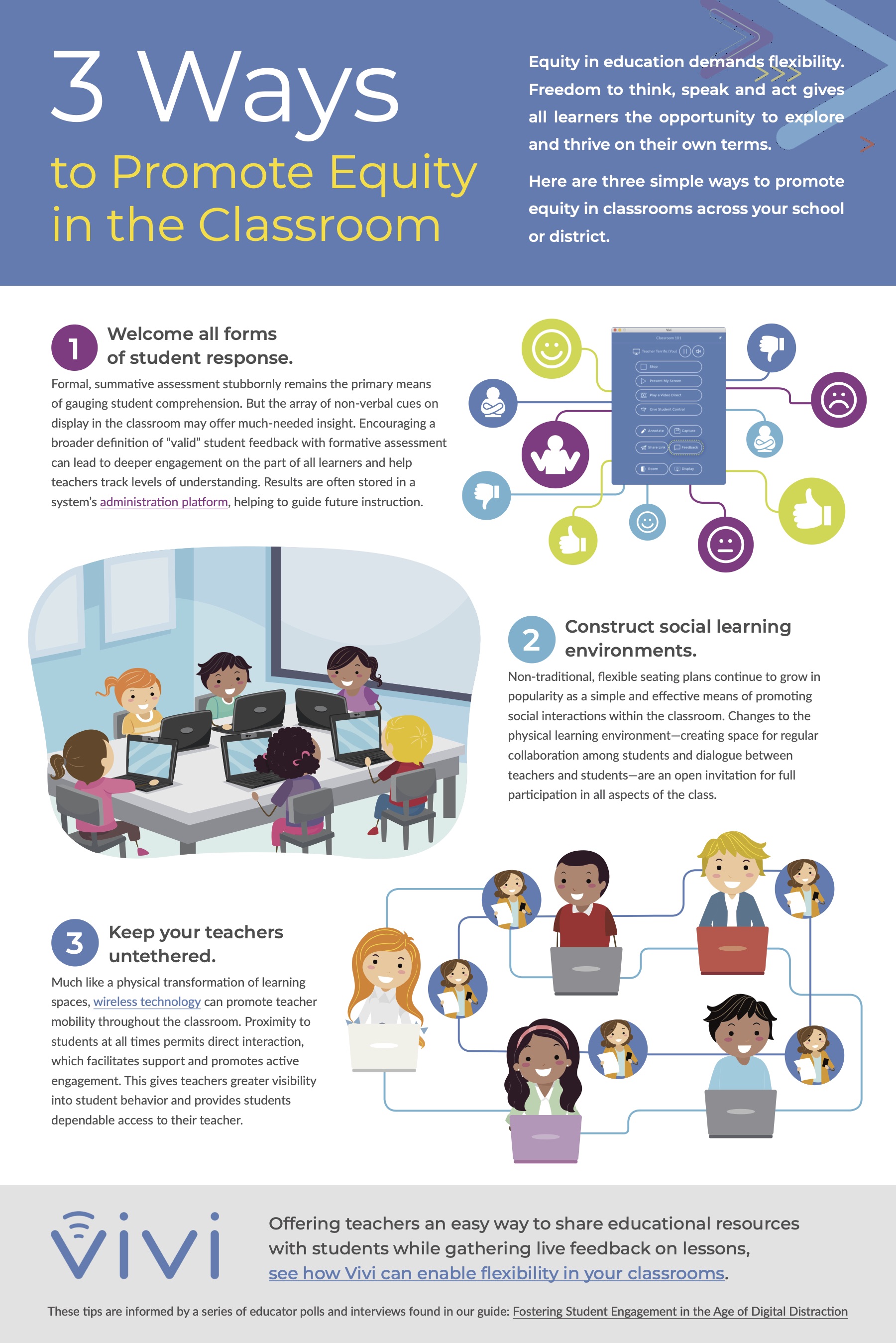
3 Ways to Promote Equity in the Classroom
Flexibility is the key to providing an equitable learning environment—one in which every student feels comfortable, valued and fully included in all aspects of learning. Discover how you can make this happen at your school or district today.
Securing Post-Implementation Success [Download]
You’ve identified specific learning challenges and found the right solution for your school or district—one that addresses those challenges while empowering teachers and students. How do you ensure that the tool delivers on its promise and remains relevant for years to come?
You’ve identified specific learning challenges and found the right solution for your school or district—one that addresses those challenges while empowering teachers and students. How do you ensure that the tool delivers on its promise and remains relevant for years to come?

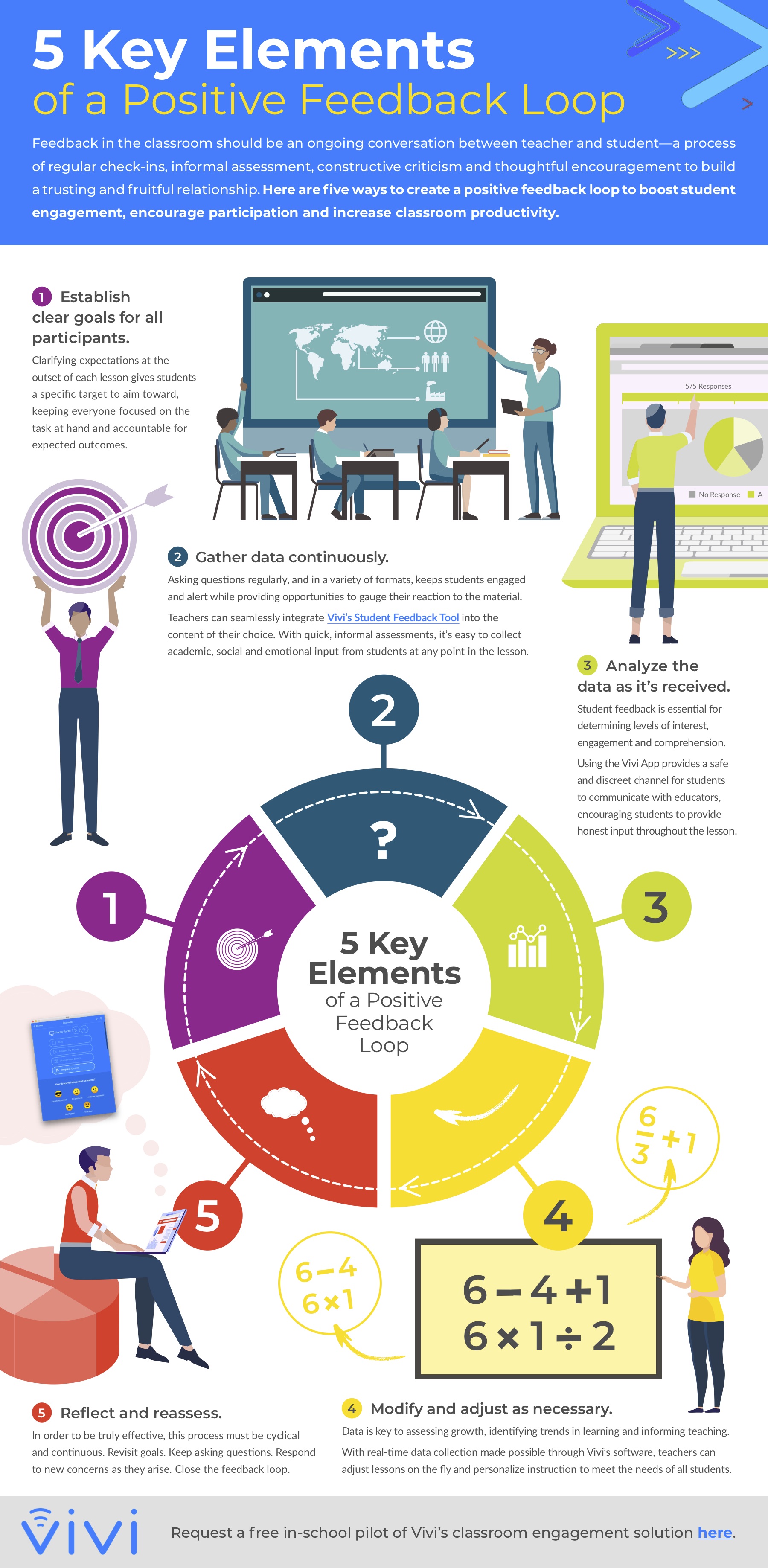
5 Key Elements of a Positive Feedback Loop
“Feedback is one of the most powerful influences on learning and achievement, but this impact can be either positive or negative,” report John Hattie and Helen Timperley from the University of Auckland.
Below are five key strategies for building and maintaining a positive feedback loop with your students.
In this Article
3 Ways to Promote Equity in the Classroom
Securing Post-Implementation Success [Download]
Share and Compare
5 Key Elements of a Positive Feedback Loop