Collection
How AI Is Writing the Next Chapter in ELA Instruction
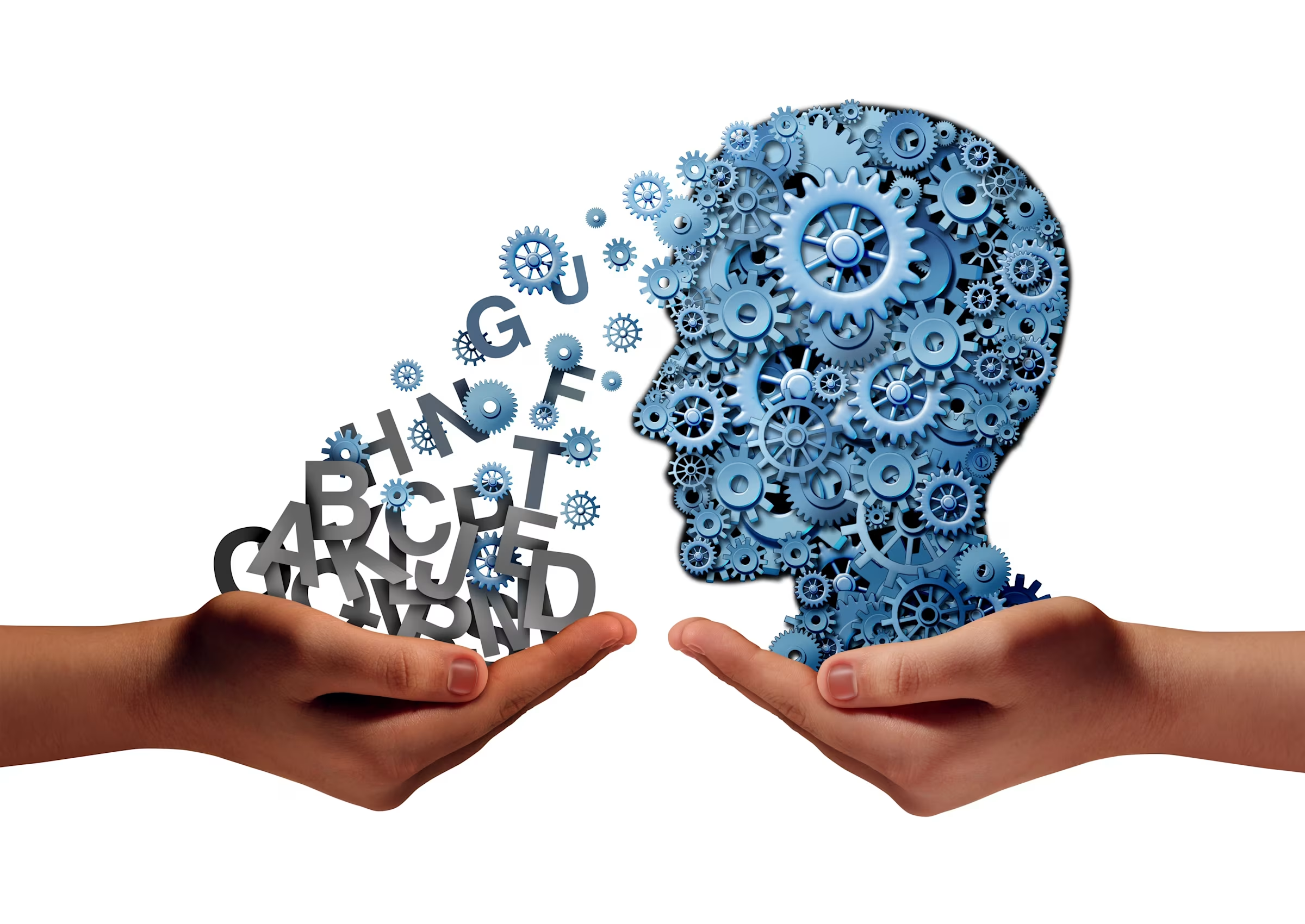
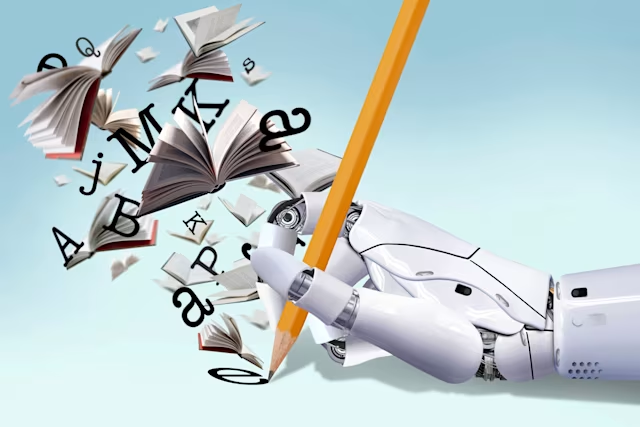
Lightspring / Shutterstock
How can artificial intelligence enhance the teaching and learning of argumentative writing? In pursuit of answers to this question, Digital Promise, a nonprofit organization, partnered with the Bill & Melinda Gates Foundation to introduce Project Topeka — an initiative grounded in research. The Topeka team gained insightful perspectives on both the possibilities and hurdles associated with the integration of AI-driven tools in the classroom.
AI as a Tool for Enhancing Teaching and Learning
AI technologies serve as partners, assistants or substitutes in educational settings, offering personalized feedback, optimizing instruction and potentially reducing teachers' workloads by assisting with grading and enhancing student writing.
Artificial Intelligence
Language Arts
Teaching and Learning
Teaching Partner, Grading Assistant or Substitute Teacher?
Read Next
How Using AI Optimizes Instruction and Learning in Secondary Writing

Can AI Help Teachers With Grading?

Personalizing Language Arts Education With AI Tools: A Teacher's Perspective
Empowering Students Through AI
The role of AI in education empowers students to become proactive problem-solvers in their communities and enhance their writing skills through personalized feedback and accelerated learning processes.
Ethical and Practical Considerations in AI Education
AI integration requires addressing ethical and practical challenges, such as maintaining student privacy, navigating the nuances of data use and the risks associated with anthropomorphizing AI tools.


Collaborative Efforts for Future-Ready Education
Educators, researchers and technology developers need to collaborate to ensure that AI integration supports pedagogical goals and prepares students and educators for a technologically advanced future.

Artificial Intelligence
Teaching and Learning
Technology Trends
Expertise as Elaboration: Teachers’ Reflections on an AI Tool-Embedded Writing Rubric
Read Next

AI in Higher Ed: Using What We Already Know About Good Teaching Practices

Powerful Learning With Artificial Intelligence For Educators

Collaborating for the Future of Teaching and Learning With Technology
In this Article
AI as a Tool for Enhancing Teaching and Learning
Empowering Students Through AI
Ethical and Practical Considerations in AI Education
Collaborative Efforts for Future-Ready Education