Outgrowing the Chromebook: Why Advanced STEM Demands Better Student Tech
One-to-one device programs gave students a baseline for digital literacy. Now, specialized pathways like robotics and CAD require a new tier of processing power.
By Shawn Chang
June 24, 2026
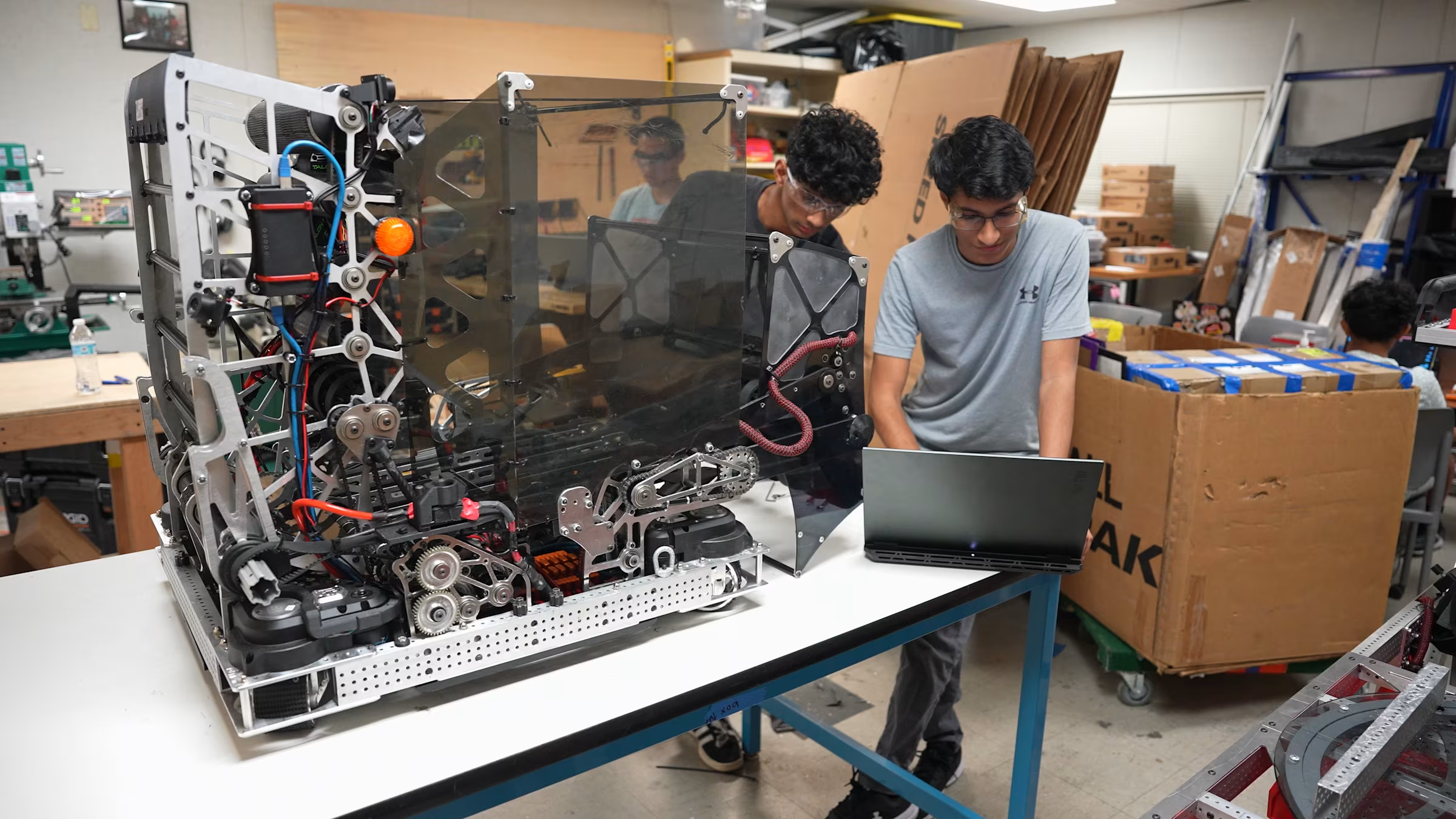
Robotics students at Fremont High School in Sunnyvale, California.
Credit: ASUS Education
Across the United States, K-12 schools have spent the past decade building one-to-one device programs. These initiatives have established an essential baseline for digital access, making it easier for students to complete daily schoolwork across grade levels and subjects. By putting a device in the hands of every learner, districts have created a standard foundation for digital literacy, research and everyday classroom engagement.
As STEM programs continue to grow and mature, however, school leaders are beginning to encounter new questions about how well those devices support more advanced coursework. Pathways in fields like robotics, engineering, cybersecurity and data science increasingly rely on specialized professional applications that reach well beyond general-purpose classroom software.
In many cases, students can successfully complete introductory work on school-issued devices. But as instruction progresses, the tools required for STEM programs place different demands on student computing resources. As a result, educators and technology directors are taking a closer look at how hardware capacity can keep pace with shifting curricular needs.
STEM Tools and Computing Demands
While web-based applications work well for introductory coursework and daily assignments, many expanding STEM pathways introduce entirely different technical requirements. Courses in engineering, 3D modeling, cybersecurity and data science rely on industry-standard applications that demand substantial local computing capacity, robust memory and dedicated graphics processing.
A prime example is SolidWorks, a professional computer-aided design (CAD) platform used in both higher education and engineering industries. When students build detailed, multi-part models or run stress-test simulations, the performance of the device they’re using directly affects how efficiently they can work. Insufficient hardware can lead to severe rendering delays, software lag or sudden crashes that disrupt the entire classroom flow.
This reality highlights a practical procurement consideration for districts: As STEM curricula mature beyond basic web-browsing activities, classroom devices must have sufficient local processing power to keep up.
A Robotics Program in Practice
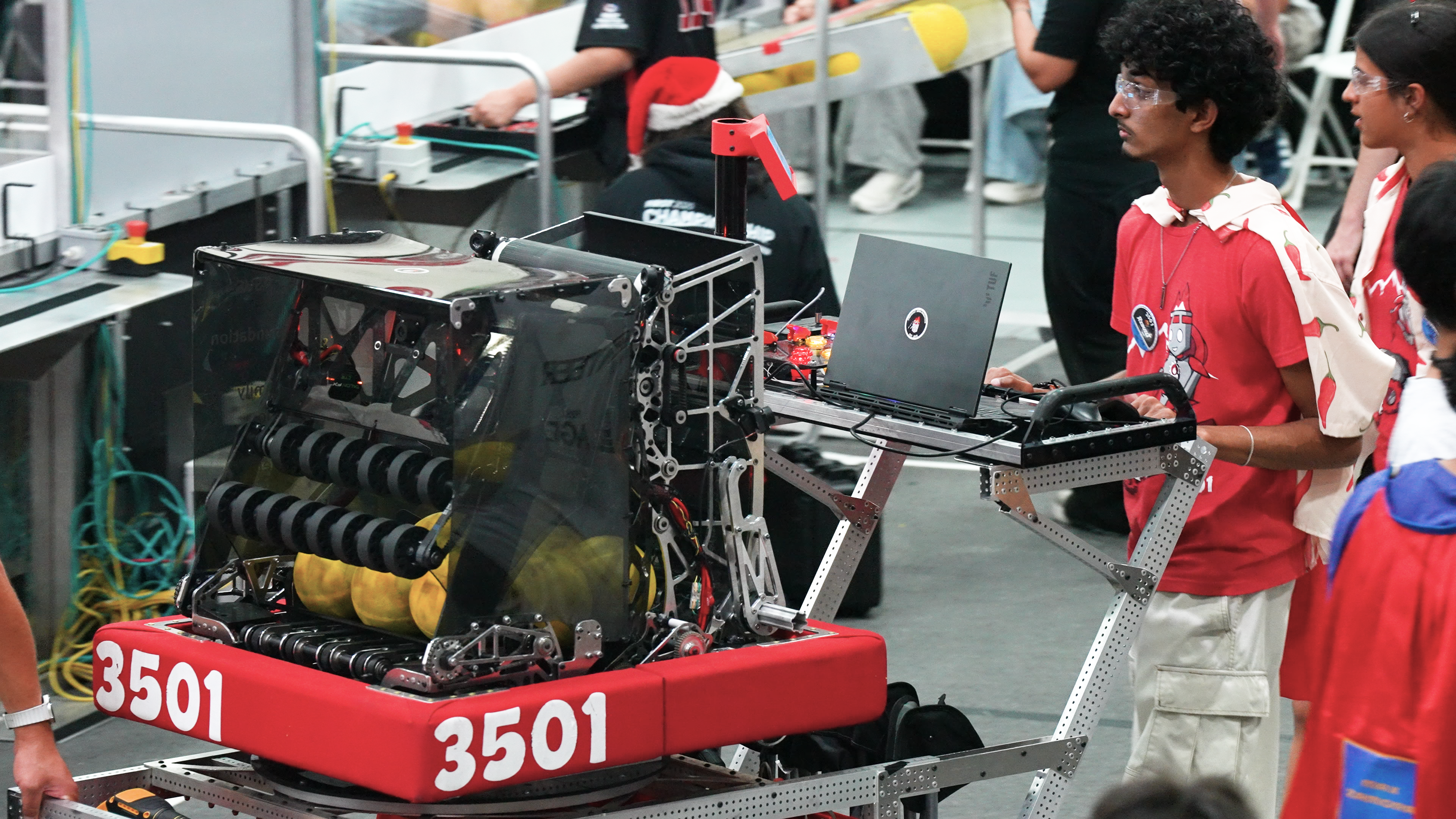
To see how these hardware dynamics play out in a real classroom, consider the experience of the Firebots robotics team at Fremont High School in Sunnyvale, California. The team competes each year in the FIRST Robotics Competition, a global program where students design, build and program large robots to complete complex engineering challenges under tight, real-world constraints.
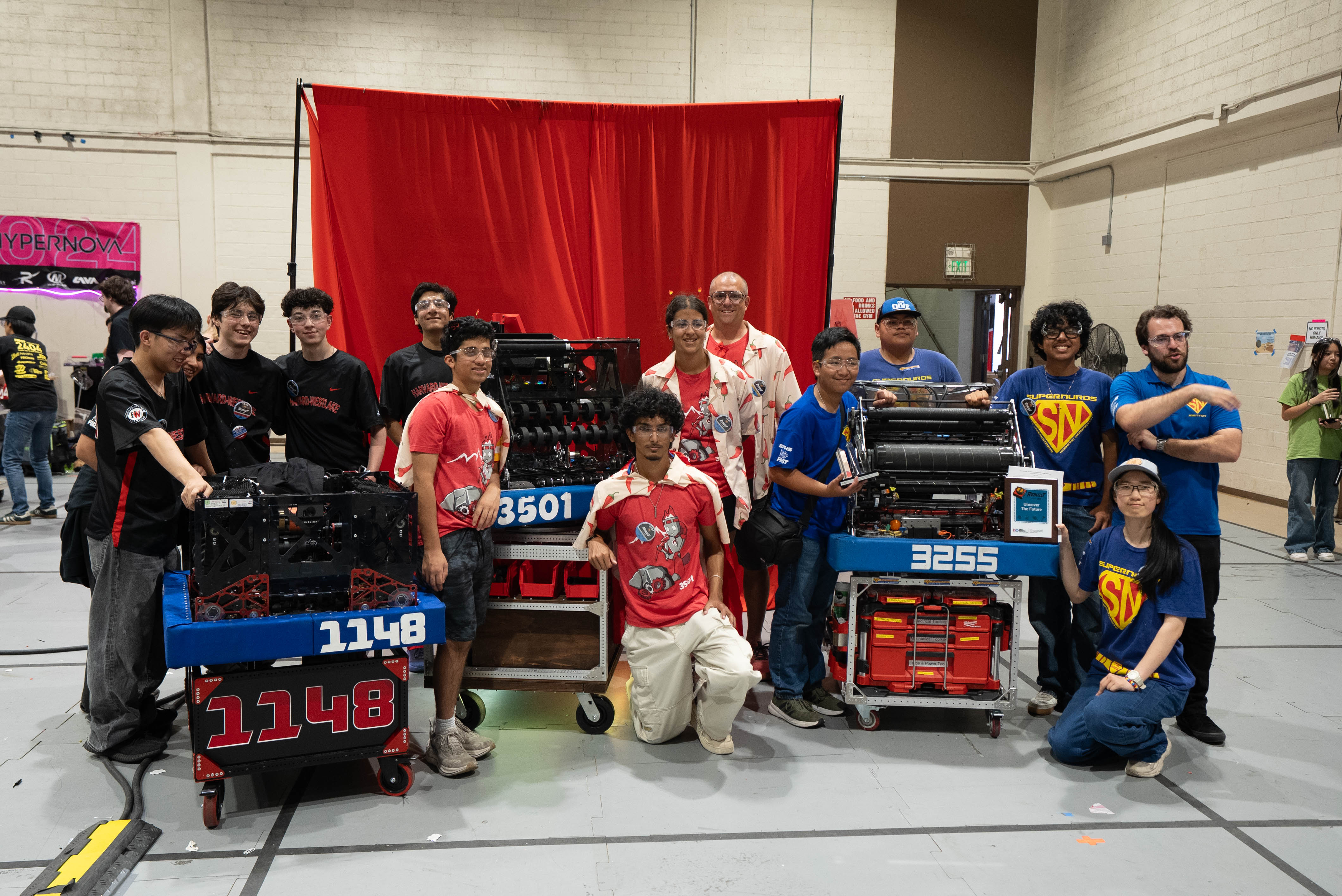
The work inside a competitive robotics program closely mirrors a commercial engineering environment, spanning mechanical design, fabrication, electrical systems and software development. Students use CAD tools to design components from scratch, test digital iterations and refine mechanisms on a tight competition timeline.
To support this technical workflow, the Firebots use ASUS TUF Gaming laptops. In robotics programs like this, student devices are not just tools for looking up information; they are central workbenches used across multiple stages of the design process. Students rely on them for modeling, code compilation, data logging, documentation and coordination among subteams.
Reliable on-device performance eliminates a common source of classroom friction. When software runs consistently and responsively, students can spend their limited class time troubleshooting their designs rather than troubleshooting their devices. Free from technical slowdowns and long file loads, they can focus on testing solutions and iterating on ideas. Ultimately, the Firebots’ systematic approach and focus on execution earned the company the FIRST Excellence in Engineering Award, which recognizes strong engineering design and system integration.
What This Means for STEM Instruction
The experience of programs like the Firebots raises a broader question for school leaders and instructional technology directors: How should district-wide device strategies evolve as STEM instruction becomes more technically demanding?
One-to-one computing programs continue to serve as the foundation for most day-to-day classroom learning, providing the baseline connectivity and performance needed for a modern education. At the same time, STEM courses can reveal distinct moments where standardized, general-purpose devices reach the limits of demanding software and workflow requirements.
In many districts, this variation is already being managed through a mix of approaches. Some schools rely on shared physical lab spaces equipped with higher-performance workstations dedicated to specialized software. Others use cloud-based streaming solutions where possible, while reserving more resource-intensive local applications for specific instructional settings.
The goal is not to dismantle existing one-to-one initiatives, but to recognize where a single hardware standard may limit technical pathways. As STEM education continues to expand and diversify, school leaders find themselves balancing the competing priorities of deployment consistency, procurement cost and instructional fit. In this changing landscape, device planning is no longer treated as a separate IT purchasing decision. Instead, it is increasingly part of a larger conversation about how schools design learning environments that accurately reflect the kinds of hands-on work students are being asked to do.
Recommended Resource
Learn more about ASUS Education Solutions: Accessible, adaptive education technology
Popular on EdSurge
ASUS Education provides innovative, durable, and high-performance technology solutions designed to enhance teaching and learning experiences in modern classrooms and digital environments.
https://us.asus.click/ASUSEducation
Read Next

Voices of Change
Artificial Intelligence

News
Visual Arts
Voices of Change
Artificial Intelligence

Voices of Change
Teaching and Learning


Voices of Change
Coding