Child Protective Services Contact Linked to Higher Absenteeism, Study Finds
Researchers say school connectedness and targeted support can keep vulnerable students in class.
October 14, 2026
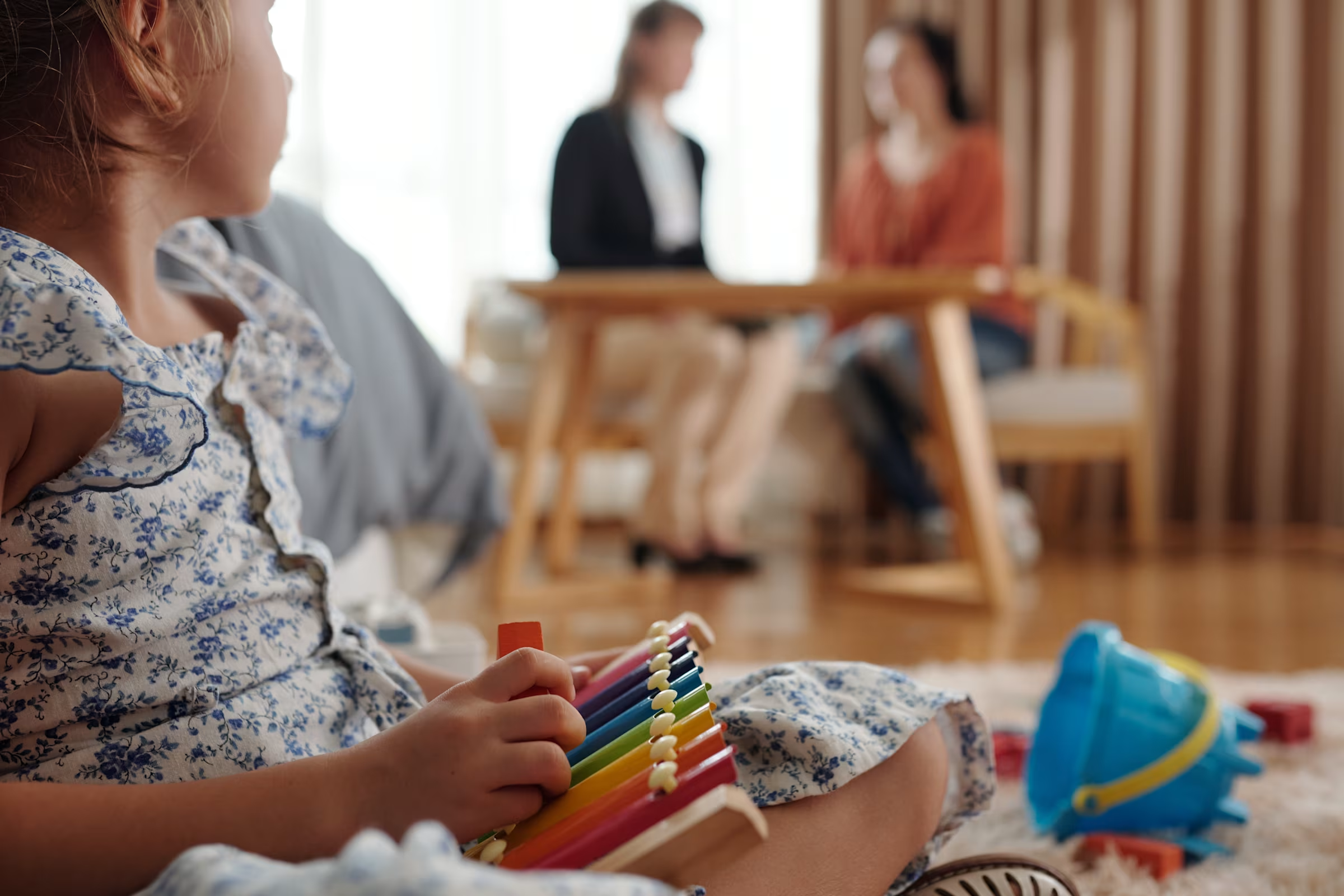
Credit: Dragon Images / Shutterstock
Students who have had contact with Child Protective Services (CPS) by age 15 are at greater risk of missing school for both excused (health-related) and unexcused (truancy) reasons than students with no CPS contact, according to research published last month in Children and Youth Services Review.
Some estimates suggest that over one-third of children in the U.S. undergo a CPS investigation by the age of 18. The study did not conclude why youth with CPS contact accumulated more absences, saying additional research is needed.
“Absenteeism is such a complicated issue because kids miss school for so many reasons and for unique combinations of reasons,” says lead researcher Arya Ansari, an associate professor of human development and family science at Ohio State University.
One factor the study examined is whether “school connectedness” mitigates the link between CPS contact and high absenteeism. While school connectedness interventions did not benefit kids with CPS contact more than others, the study found all children did benefit.
Ansari’s study found that students affected by CPS investigations reported lower levels of school connectedness than their peers, and that lower connectedness was associated with higher absenteeism.
The study recommends fostering a strong sense of connection to school as “one key strategy” to increase attendance. Effective connectedness approaches include creating inclusive environments, offering extracurricular activities and supporting teachers to form strong relationships with students, the study says. The findings come amid efforts by schools across the country to reduce absenteeism, which has not returned to pre-pandemic levels, and underscore how challenging it can be to bring some students back to the classroom.
The study also finds that students with CPS contact were more likely to have their teacher discuss their school absences with their families.
Ansari says the average impact of early warning systems that inform parents about kids missing school is small and does not increase attendance for kids missing up to 40 days of the year and who may be facing issues like household instability and food insecurity. CPS becomes involved with a family to investigate an allegation of child abuse or neglect. CPS involvement often indicates a high-risk home environment characterized by poverty, substance abuse, domestic violence and other systemic barriers such as health issues that undermine school attendance.
For the study, Ansari used data from the Future of Families and Child Wellbeing Study, which tracked 3,334 adolescents born between 1998 and 2000 across 20 cities from birth through age 15. The study used student and parent reports on attendance and student surveys about their school connectedness, which researchers defined as “feeling close to people at school, feeling like they were a part of their school, feeling happy to be at school and feeling safe at their school.”
Impact of CPS Investigations on Attendance Needs More Study
CPS investigated almost 3 million children in 2024, according to a report on child maltreatment from the U.S. Department of Health and Human Services. Students who had contact with CPS were more likely to be born to Black, U.S.-native and English-speaking mothers. Additionally, their mothers also tended to be younger and in poorer health and were more likely to have a history of substance use during pregnancy.
“Some families, when they’ve had contact with CPS, might become more disengaged because there’s, s a fear of institutions and systems,” Ansari says. They might blame the school for contacting CPS or distrust institutions in general, including the education system. On the flip side, he notes, some families become more engaged to prevent surveillance.
Students who have experienced CPS contact, especially when referrals originate from school personnel, might feel less connected to their school environment and are therefore less likely to show up. Ansari adds that contact with CPS is linked to students experiencing fewer positive feelings about their schools.
How Building Relationships Can Help
The study emphasizes the role of school connectedness as a protective factor for all students, including those who have experienced a CPS investigation. “Fostering school connectedness may be critical for improving attendance among this population of students,” Ansari writes. “Ultimately, understanding how school connectedness interacts with CPS contact can help educators develop more targeted strategies that support the attendance and overall well-being of these students.”
The study points to resources that schools can use to bolster their connectedness with students. A 2023 study published in Applied Developmental Science found that engaging in extracurricular activities can help students feel like they belong.
The study also recommends enhancing the school’s connections with family members and support for teachers. For example, children placed in foster homes may have new guardians with whom the school can build bonds, and some parents who take CPS intervention seriously may be motivated to become more involved in their children’s education.
“The foundation of where schools can start is with relationships. If a kid feels safe at school and knows that a teacher cares, they’re going to be more willing to come,” says Ansari.
“The key to improving attendance is developing relationships, since strong, caring relationships help motivate all students, including those in contact with CPS, to show up,” agrees Hedy Chang, president and CEO of Attendance Works. She adds that it is through relationships that adults can discover the underlying barriers to school attendance and then partner with students and families to address them.
Karen Mapp, a professor of practice at the Harvard Graduate School of Education, emphasizes the need for proactive communication. When “an attempt to communicate with a family only happens after there’s an incident, or when the student is chronically absent,” it signals a problem, she says. Schools instead should have “an active strategy to communicate with families regularly, to build relationships with families, and to get to know them.”
Reducing absenteeism also requires comprehensive, school-based and out-of-school strategies that remove barriers to regular attendance. “We need to provide wraparound services or help families build these connections with community resources,” says Ansari.
Ansari adds that prioritizing support can help educators and students show up and engage meaningfully, fostering a sense of community in schools that both students and teachers deserve.
Popular on EdSurge
Read Next

Voices of Change
Artificial Intelligence
Stitching the Future: Technology as a Sacred Trust

News
EdSurge Podcast
Putting Edtech Guidance to Work in the Classroom
Voices of Change
Artificial Intelligence
News
EdSurge Podcast
Why Do So Many Teachers Crash in October?


Voices of Change
Artificial Intelligence